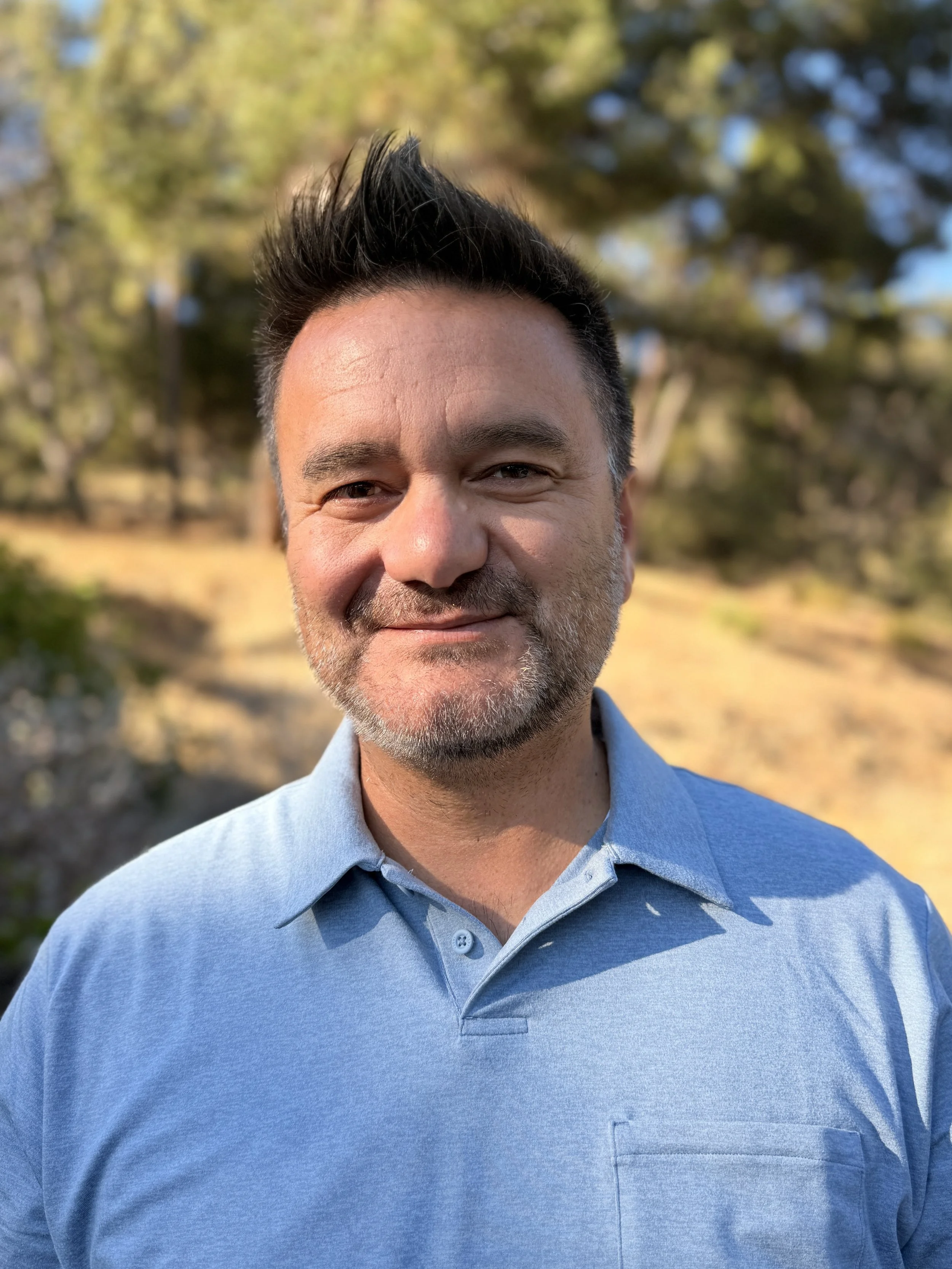
Forrest Lanning
for
El Cerrito City Council
Practical. Solutions. Stronger City.
Why I’m running:
I’ve spent most of my career helping rebuild cities and communities after devastating disasters, both around the world and here in the United States. For more than 20 years, I’ve faced complex challenges that required practical, creative solutions, often with limited resources. Those experiences have taught me how to solve difficult problems, make the most of limited funding, and turn good ideas into real practical results.
My background has given me a broad range of skills relevant to strengthening communities, including financial management, urban planning, construction management, disaster risk reduction, and improving two-way communication between the government and the public. Helping communities become safer, stronger, and more resilient has been some of the most rewarding work of my life, and I’m excited to put that experience to work here at home in El Cerrito.
Priorities
Two-way CommunicationGood two-way communication means not only listening to residents, but also explaining how their input was considered and why decisions were made, so people know their voices were heard, even when the outcome isn’t what they hoped for.
Build Financial "rainy day" ReservesHealthy rainy-day reserves ensure a city can respond to disasters or other unexpected challenges without sacrificing essential services or its financial stability.
Strengthen the City's Usability and ResilienceStrengthening the city’s usability and resilience means making our infrastructure and public spaces work better for residents every day while preparing them for future challenges. Smart planning and investment today can make the community safer, more reliable, and better prepared for emergencies.

Making El Cerrito More Resilient
A resident brought up a great question about my plan for making El Cerrito more resilient, and I thought it was worth sharing my thoughts more broadly.
I would like to bring a greater focus on disaster resilience to City Council, not just how we respond after a disaster, but what we can do beforehand to reduce the damage. We can spend years building up the City's financial reserves, only to see much of that progress wiped out by the cost of repairing and rebuilding after a major disaster. Resilience is also fiscal responsibility.
We should start with our critical lifelines: power, water and wastewater. El Cerrito doesn't own most of these systems, so we need to work closely with the utilities that do. The Palisades Fire demonstrated why this matters, when enormous demand contributed to falling water pressure and dry hydrants. We should be asking EBMUD now: Does our system have sufficient capacity and redundancy during a major fire? What happens if an earthquake breaks water mains when firefighters need that water?
We also need to focus on what the City controls. Storm drains should be proactively inspected and maintained rather than waiting for residents to report flooding. Every capital project should also be viewed through a resilience lens. If we're already renovating a City building, that's the time to make it more resilient. Incorporating improvements during renovation is much less expensive than coming back later.
As a structural engineer, I think of designing only to minimum building-code requirements as getting a D, you passed, but barely. Minimum code is primarily about life safety. It doesn't necessarily mean a building will be usable after a major earthquake. And an older building may have been designed to codes that are very different from today's requirements or no code at all. Critical facilities are held to higher standards for a reason. I think El Cerrito should take a similar approach when investing in its City buildings.
Our biggest challenge may be our homes. Much of El Cerrito's housing stock predates major advances in seismic design of the 1970s through 90s, including plywood shear walls (especially for two-story homes), connections and cripple-wall reinforcement (in the crawl space). Because these homes are privately owned, the City's ability to improve them is limited. We can educate homeowners about seismic retrofits and earthquake insurance, but ultimately those decisions belong to individual homeowners.
That's also why CERT is so important. A major earthquake could damage many homes simultaneously and quickly overwhelm professional emergency services. Expanding CERT means having trained residents already in our neighborhoods who can help during those critical first hours.
Wildfire resilience requires the same preventative thinking and many of this is already happening, mainly due to the reminder we get every summer/fall, vegetation and fuel management near open spaces, maintaining evacuation routes, and coordinating with our fire and water agencies before an emergency.
There isn't one project that will make El Cerrito resilient. It requires layers: resilient infrastructure, stronger City facilities, utility coordination, wildfire mitigation, better-prepared homes, public education and trained neighbors.
When we haven't experienced a major disaster in a long time, preparedness can easily fall down the priority list. That's especially true with earthquakes. The Hayward Fault runs directly through our city, yet the 1989 Loma Prieta earthquake was about 50 miles away and did not produce the level of shaking we could experience from a major earthquake on the Hayward Fault. That's where leadership matters. City leaders need to think about resilience before disaster strikes, because once the earthquake or wildfire happens, it's too late to start preparing.
Forrest’s Background
Forrest Lanning is a Bay Area native, structural engineer, and neighbor. He earned a degree in Architectural and Structural Engineering from California Polytechnic State University (Cal Poly) and later conducted earthquake engineering research at Stanford University. A career spanning more than two decades, Forrest has dedicated his work to helping communities rebuild from disasters and become safer and more resilient through practical problem-solving, and responsible stewardship of public resources.
Forrest lived and worked overseas, helping communities prepare and recover from major earthquakes and tsunamis in New Zealand, Indonesia, Kyrgyzstan, Afghanistan, Costa Rica, and Colombia. Working with organizations including USAID, the United Nations, the World Bank, and local governments, he led disaster recovery programs that rebuilt and retrofitted schools, strengthened critical infrastructure, and improved earthquake preparedness. Managing projects with limited budgets taught him the importance of prioritizing investments, eliminating waste, and finding practical solutions that deliver the greatest benefit for every dollar spent. These experiences reinforced his belief that effective leadership begins with listening to the community, evaluating the facts, and making thoughtful, practical decisions that put residents first.
Forrest and his wife, Sara, are proud to call El Cerrito home. He is committed to serving the community with integrity, common sense, and sound judgment, working collaboratively to solve problems and make thoughtful decisions that reflect the best interests of both today's residents and future generations.
Upcoming Events
Nov 3rd: Election Day!
VOTE!
Endorsement
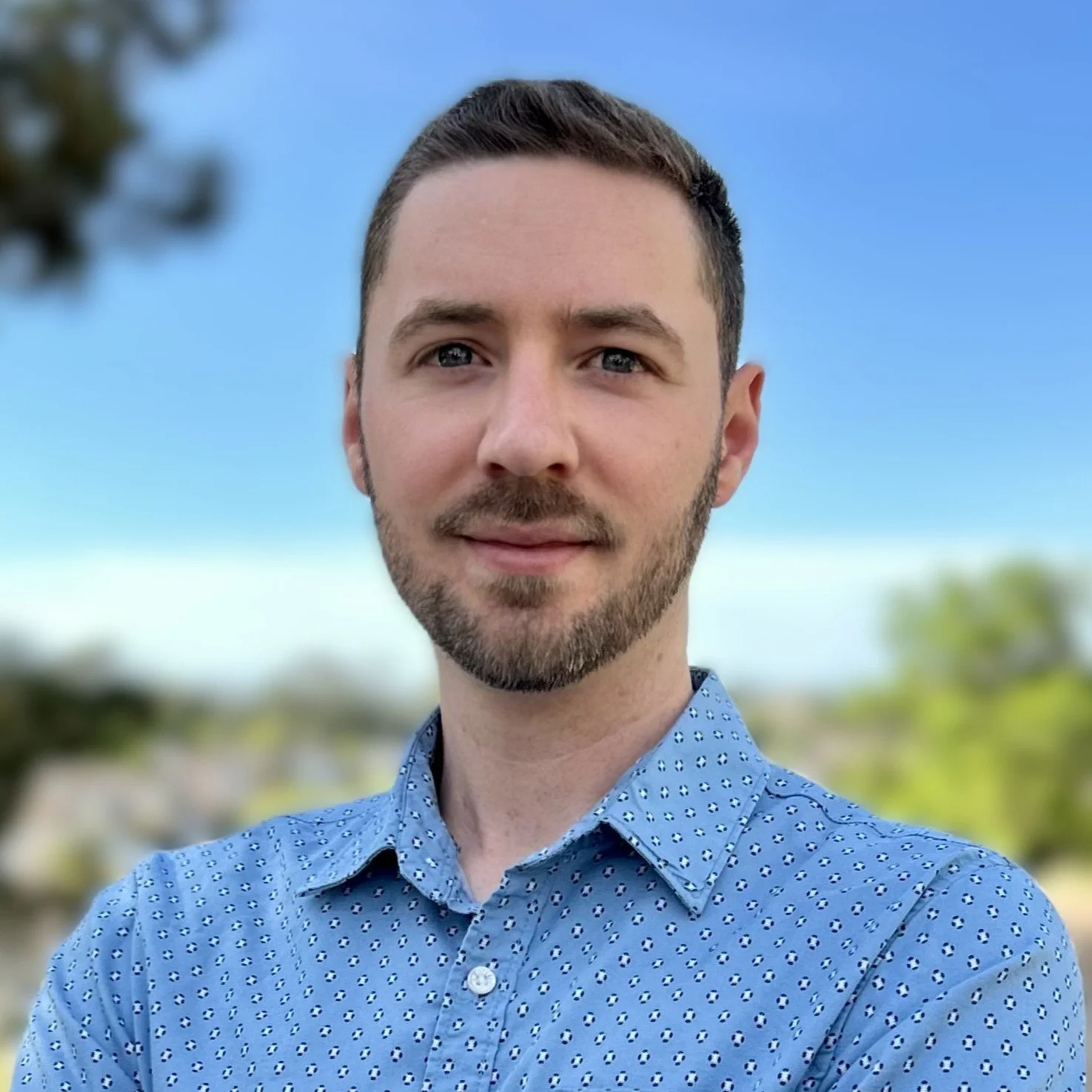
"I've seen Forrest Lanning's commitment to public service firsthand, helping others around the world while making a difference here at home. El Cerrito deserves more leaders like him on its City Council: people who understand what the Council can and can't do, take the long view, are honest about the city's finances, and have a real plan for what residents need urgently and in the years ahead.
With federal, state, and county funding increasingly uncertain, Forrest will make sure El Cerrito stands on a stronger foundation of its own making, so the city can keep delivering for residents through good times and hard ones. I'm proud to endorse Forrest Lanning, and I hope you'll join me in supporting him."
Nicolas Carjuzaa
(former Candidate for Congress, CA-08)
Get in Touch
We would love to hear from you! What works in El Cerrito? What doesn’t? What are your biggest concerns?